Scammer Detection
Deprecated scamOverview
The Scammer Detection Model is useful to help detect and block common frauds on social networks and dating sites. The so-called scammers are romance scammers, military scammers or other types of scammers that trick people into sending them money.
Over the years we have built a reference database of tens of thousands of profiles and images from all over the world known to be used by scammers.
Principles
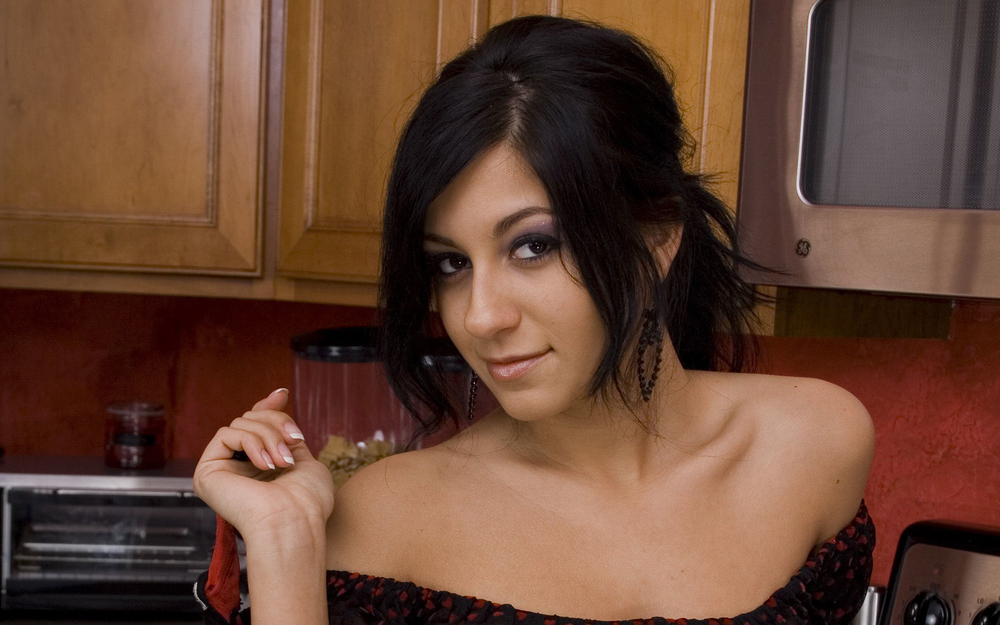
The Scammer Recognition works by first finding relevant faces within an image or a video frame and then comparing the face characteristics to our list of known profiles used by scammers.
The Face Recognition we apply to this end works in a way that makes it robust and able to recognize scammer profiles in previously unknown images. The API works for color images as well as black-and-white, and will work from different angles, in different lighting conditions.
Scammer probability
The returned value is between 0 and 1, images with a scam probability value closer to 1 will have a scammer while images with a scam probability value closer to 0 will not have a scammer.
Use-cases
- Require that users submit or upload real photos only, rather than fake images
- Detect malicious users
Recommended thresholds
When processing the "scam probability" value returned by the API, users generally set a threshold. Images or videos with a value above this threshold will be flagged as potentially containing a scammer while images or videos with a value below will be considered to be safe.
Thresholds need to be fine-tuned for each individual use-case. Depending on your tolerance to false positives or false negatives, the threshold should be adapted.
- If you want to reduce false negatives, you may want to start with a threshold of 0.2 (meaning that images with a "scam probability" value above 0.2 would be flagged)
- If you want to reduce false positives, you may want to start with a threshold of 0.5
Use the model
If you haven't already, create an account to get your own API keys.
Detect a scammer
Let's say you want to moderate the following image:
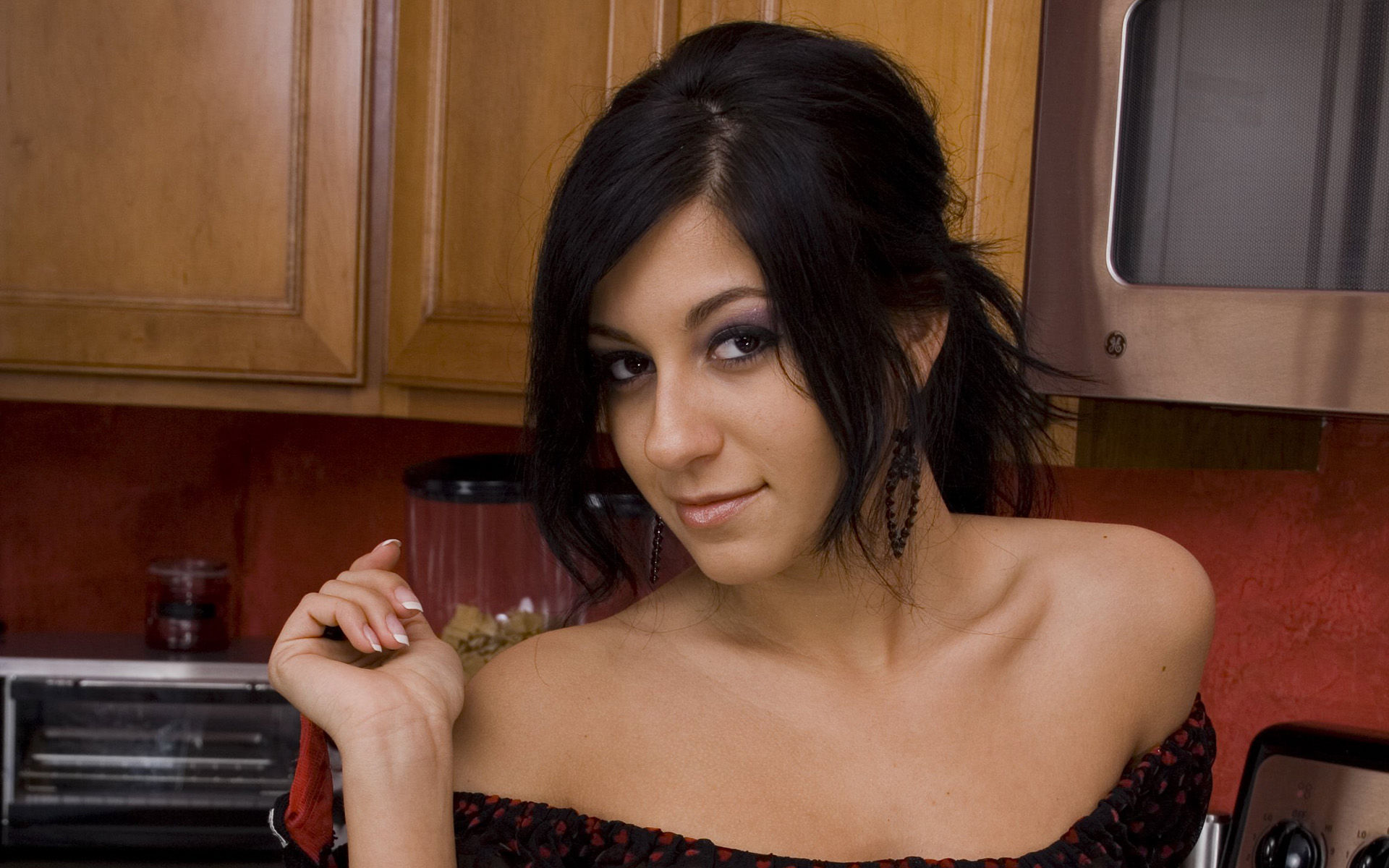
You can either upload a public URL to the image, or upload the raw binary image. Here's how to proceed if you choose to share the image's public URL:
curl -X GET -G 'https://api.sightengine.com/1.0/check.json' \
    -d 'models=scam' \
    -d 'api_user={api_user}&api_secret={api_secret}' \
    --data-urlencode 'url=https://sightengine.com/assets/img/examples/example-scam1-1000.jpg'
# this example uses requests
import requests
import json

params = {
  'url': 'https://sightengine.com/assets/img/examples/example-scam1-1000.jpg',
  'models': 'scam',
  'api_user': '{api_user}',
  'api_secret': '{api_secret}'
}
r = requests.get('https://api.sightengine.com/1.0/check.json', params=params)

output = json.loads(r.text)
$params = array(
  'url' =>  'https://sightengine.com/assets/img/examples/example-scam1-1000.jpg',
  'models' => 'scam',
  'api_user' => '{api_user}',
  'api_secret' => '{api_secret}',
);

// this example uses cURL
$ch = curl_init('https://api.sightengine.com/1.0/check.json?'.http_build_query($params));
curl_setopt($ch, CURLOPT_RETURNTRANSFER, true);
$response = curl_exec($ch);
curl_close($ch);

$output = json_decode($response, true);
// this example uses axios
const axios = require('axios');

axios.get('https://api.sightengine.com/1.0/check.json', {
  params: {
    'url': 'https://sightengine.com/assets/img/examples/example-scam1-1000.jpg',
    'models': 'scam',
    'api_user': '{api_user}',
    'api_secret': '{api_secret}',
  }
})
.then(function (response) {
  // on success: handle response
  console.log(response.data);
})
.catch(function (error) {
  // handle error
  if (error.response) console.log(error.response.data);
  else console.log(error.message);
});
The API will then return a JSON response:
{
    "status": "success",
    "request": {
        "id": "req_0RNttFqUKWhGSAlcENj3Z",
        "timestamp": 1495636774.8524,
        "operations": 1
    },
    "scam": {
        "prob": 0.9895
    },
    "faces": [
        {
            "x1": 0.4186,
            "y1": 0.2417,
            "x2": 0.6152,
            "y2": 0.6698,
            "features": {
                "left_eye": {
                    "x": 0.5326,
                    "y": 0.3969
                },
                "right_eye": {
                    "x": 0.4512,
                    "y": 0.4219
                },
                "nose_tip": {
                    "x": 0.4805,
                    "y": 0.525
                },
                "left_mouth_corner": {
                    "x": 0.5501,
                    "y": 0.5573
                },
                "right_mouth_corner": {
                    "x": 0.4811,
                    "y": 0.5813
                }
            }
        }
    ],
    "media": {
        "id": "med_0RNtVu0azEaBwPgZI0fur",
        "uri": "https://sightengine.com/assets/img/examples/example-scam1-1000.jpg"
    }
}